Category: Automotive Logistics Innovation

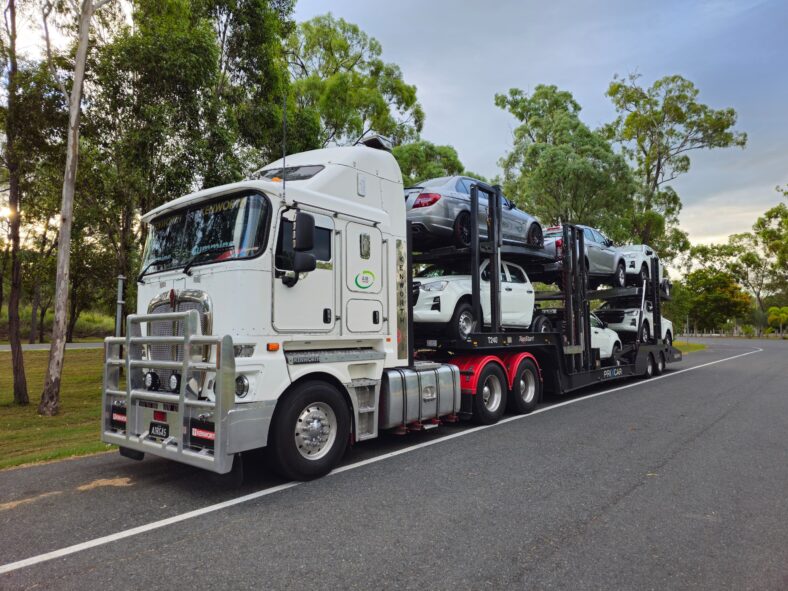
Innovations Driving the Future of Car Transport

The car transport industry is changing rapidly as new technologies reshape how vehicles are picked up, shipped, tracked, and delivered. What was once a largely manual process is becoming more connected, transparent, and efficient. From GPS tracking and artificial intelligence to electric trucks and automated logistics platforms, innovation is helping transportation companies improve service while giving customers greater control over the shipping experience.

As consumers increasingly expect convenience and real-time information, car transport companies are adopting technologies that can simplify logistics and improve communication. These innovations are not only changing how vehicles move from one location to another but also influencing what customers can expect from the modern auto shipping experience.

Continue reading

Why Data Analytics Matters in Vehicle Shipping

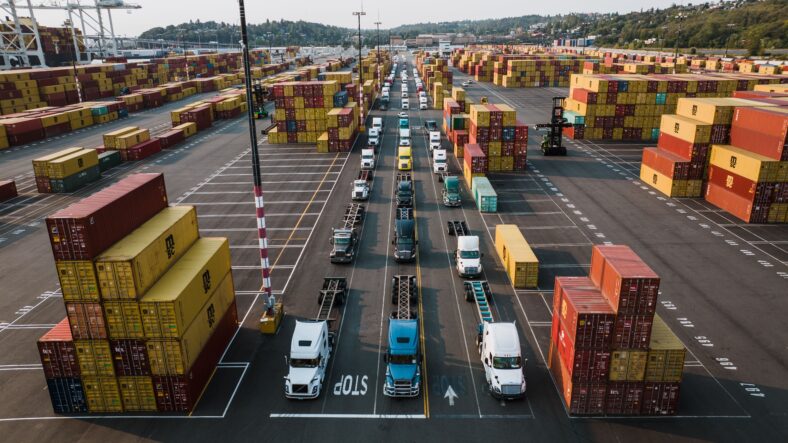
The vehicle shipping industry has evolved far beyond simply transporting cars from one destination to another. Today, companies rely on advanced technology to coordinate routes, manage fleets, monitor shipments, and provide customers with accurate information throughout the transportation process. At the heart of these improvements is data analytics, which helps businesses make informed decisions based on real-world information rather than assumptions.

Data analytics involves collecting, organizing, and interpreting data to uncover patterns and trends. In vehicle shipping, this information comes from GPS systems, transportation management software, customer feedback, weather reports, fuel consumption records, maintenance logs, and countless other sources. By turning this information into actionable insights, shipping companies can improve efficiency, reduce costs, and deliver a better experience for customers.

Continue reading

The Future of Automotive Supply Chain Management

The automotive industry is undergoing one of the most significant transformations in its history. Advances in electric vehicles (EVs), autonomous driving technologies, connected cars, and digital manufacturing are reshaping how vehicles are designed, built, and delivered. At the heart of these changes is the automotive supply chain—a complex global network of suppliers, manufacturers, logistics providers, distributors, and dealerships working together to bring vehicles and parts to market.

Recent global events, including semiconductor shortages, transportation disruptions, and geopolitical challenges, have exposed vulnerabilities in traditional supply chain models. As a result, automotive companies are rethinking their strategies to build more resilient, efficient, and sustainable supply chains. The future of automotive supply chain management will be defined by greater visibility, advanced technologies, and increased collaboration across every stage of production.

Continue reading

How Logistics Technology Is Changing the Auto Industry

The automotive industry has always depended heavily on logistics. From manufacturing plants and parts suppliers to dealerships and vehicle shipping companies, the movement of vehicles and automotive components requires precise coordination, efficiency, and reliability. In recent years, logistics technology has dramatically transformed the auto industry by improving supply chain management, enhancing transportation efficiency, reducing delays, and creating better customer experiences.

As digital innovation continues to reshape global commerce, automotive companies are embracing advanced logistics technologies such as artificial intelligence, GPS tracking, automation, cloud-based systems, and predictive analytics. These tools are helping businesses streamline operations while meeting rising customer expectations for speed, transparency, and convenience.

The future of the auto industry is becoming increasingly connected, and logistics technology is playing a major role in driving that transformation.

Continue reading