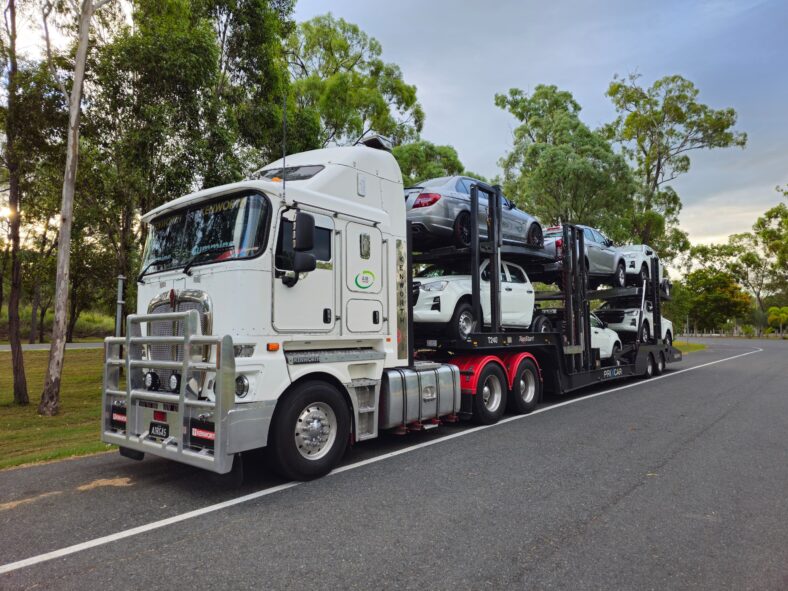
The car transport industry is changing rapidly as new technologies reshape how vehicles are picked up, shipped, tracked, and delivered. What was once a largely manual process is becoming more connected, transparent, and efficient. From GPS tracking and artificial intelligence to electric trucks and automated logistics platforms, innovation is helping transportation companies improve service while giving customers greater control over the shipping experience.
As consumers increasingly expect convenience and real-time information, car transport companies are adopting technologies that can simplify logistics and improve communication. These innovations are not only changing how vehicles move from one location to another but also influencing what customers can expect from the modern auto shipping experience.
Advanced GPS Tracking
One of the most useful innovations in car transport is advanced GPS technology. Tracking systems allow transportation companies to monitor vehicles throughout different stages of their journey. Instead of relying solely on phone calls for updates, customers can increasingly receive information about where their vehicle is and how its trip is progressing.
Modern tracking technology can also help transportation companies identify delays, optimize routes, and respond more effectively to changing road conditions. By having access to better location data, dispatchers can make informed decisions that improve scheduling and efficiency.
For customers, better tracking provides peace of mind. Knowing that a vehicle can be monitored during transportation adds another level of transparency to the shipping process.
Artificial Intelligence and Predictive Logistics
Artificial intelligence is another technology with the potential to transform vehicle shipping. AI systems can analyze enormous amounts of information, including traffic patterns, weather conditions, fuel costs, delivery schedules, and historical transportation data.
By analyzing these factors, AI-powered logistics systems can help companies determine efficient routes and anticipate potential problems. For example, if severe weather is expected along a particular highway, a system may identify alternative routes that could reduce delays.
Predictive technology can also help companies estimate delivery timelines more accurately. Although unexpected circumstances can always affect transportation, better data analysis can make scheduling more reliable.
In the future, AI may become increasingly important in coordinating drivers, vehicles, customers, and transportation resources across complex shipping networks.
Digital Booking Platforms
Technology has also made it easier for customers to arrange vehicle transportation. Online booking platforms allow customers to request quotes, submit vehicle information, select transportation preferences, and schedule services without relying entirely on traditional office-based processes.
Digital platforms can streamline paperwork as well. Instead of completing numerous physical documents, customers may be able to submit information electronically and receive confirmations digitally.
This convenience is especially valuable for people who are relocating, purchasing vehicles from distant sellers, moving for work, or transporting specialty automobiles. A more streamlined booking process can save time and make it easier to compare transportation options.
Electronic Vehicle Inspections
Vehicle inspections are an important part of the car shipping process because documenting a vehicle’s condition before transportation can help establish an accurate record. Digital inspection technology is making this process more efficient.
Drivers can use smartphones or specialized devices to photograph vehicles from multiple angles and record existing scratches, dents, or other visible conditions. These images can be stored electronically and shared with customers.
Digital documentation can provide a clearer record than handwritten notes alone. When a vehicle reaches its destination, another inspection can be completed and compared with the original documentation.
This technology improves organization while giving customers greater visibility into the condition of their vehicles throughout the shipping process.
Electric and Alternative-Fuel Transport Vehicles
Environmental concerns are also influencing the future of car transport. Transportation companies are exploring electric and alternative-fuel vehicles as the automotive industry moves toward cleaner technologies.
Electric trucks can potentially reduce certain emissions and operating costs, although their usefulness for long-distance vehicle transportation depends on factors such as battery capacity, payload requirements, charging infrastructure, and available technology.
As electric vehicle technology advances, charging networks expand, and commercial electric trucks become more capable, cleaner transportation solutions could become a larger part of the vehicle shipping industry.
The transition will likely take time, particularly for long-haul transportation. However, continued innovation could eventually make lower-emission vehicle transport increasingly practical.
Automated Dispatching
Coordinating vehicle shipments involves managing drivers, pickup locations, delivery destinations, schedules, and available transportation capacity. Automated dispatching systems are helping companies manage these complicated logistics more efficiently.
Instead of relying entirely on manual scheduling, software can analyze available resources and identify potential matches between shipments and transportation routes. This can reduce administrative work and help companies use their fleets more effectively.
Automated systems may also help reduce unnecessary empty miles, where trucks travel without carrying vehicles. More efficient routing can potentially lower fuel consumption, reduce operating expenses, and improve overall transportation efficiency.
Connected Vehicles and Smart Sensors
The growth of connected vehicle technology could introduce additional possibilities for car transport. Modern vehicles increasingly contain sensors and communication systems capable of collecting and transmitting information.
During transportation, connected technologies could eventually provide useful information about a vehicle’s condition, battery status, mileage, or other characteristics. For electric vehicles in particular, monitoring battery levels may become increasingly important as carriers coordinate loading, unloading, and storage.
Smart sensors can also be used in transportation equipment to monitor environmental or physical conditions. Depending on the application, sensors could help companies detect unusual movement, temperature changes, or other issues that may require attention.
Improved Customer Communication
Innovation is not limited to the physical transportation of vehicles. Communication technology is also changing the customer experience.
Automated notifications can provide updates when a vehicle is scheduled for pickup, loaded onto a carrier, approaching its destination, or delivered. Online customer portals may allow people to review shipment details without repeatedly contacting a transportation office.
Artificial intelligence-powered customer service tools may also answer basic questions and provide information around the clock. Human representatives remain important for complicated situations, but automated communication can make routine interactions faster.
The result is a more connected experience in which customers can receive important information throughout the shipping process.
Blockchain and Digital Documentation
Blockchain technology has been discussed as another possible innovation for transportation and logistics. Its ability to create secure, traceable records could have applications for shipping documentation, payments, vehicle histories, and transactions involving multiple parties.
While blockchain adoption in car transport is still developing, the underlying concept could help improve recordkeeping and transparency. A reliable digital record could potentially make it easier to verify when specific events occurred during a vehicle’s transportation journey.
The practical value of blockchain will depend on industry adoption, integration costs, and whether transportation companies and customers see sufficient benefits from the technology.
The Human Element Remains Essential
Despite rapid technological advancement, successful car transportation will continue to require experienced professionals. Software can analyze information, GPS systems can track vehicles, and automated platforms can organize schedules, but human expertise remains critical when unexpected circumstances arise.
Experienced transportation professionals understand how to handle changing weather, difficult pickup locations, unusual vehicles, customer concerns, and other situations that cannot always be solved by an automated system.
The future of car transport is therefore unlikely to be based on technology alone. Instead, the strongest transportation models will combine innovative tools with knowledgeable professionals who understand the complexities of moving vehicles safely. Advanced security systems, GPS vehicle tracking, surveillance cameras, access control technology, and other protective solutions can further help safeguard vehicles throughout the transportation process. By combining modern security measures with experienced professionals and dependable logistics practices, car transport companies can provide customers with greater confidence, protection, and peace of mind.
What the Future Holds
The future of car transport is likely to be defined by greater connectivity, automation, efficiency, and transparency. Customers can expect technology to make it easier to request transportation, receive quotes, track shipments, communicate with carriers, and document vehicle conditions.
At the same time, transportation companies will continue searching for ways to reduce delays, improve route planning, lower operating costs, and develop more environmentally responsible practices.
For anyone preparing to ship a vehicle, understanding these developments can make it easier to recognize the benefits of modern transportation services. Choosing a company that embraces useful technology while maintaining strong customer service can provide a more convenient experience.
Ultimately, innovation is making car transport smarter and more customer-focused. As GPS tracking, artificial intelligence, digital platforms, connected vehicles, alternative-fuel technology, and automated logistics continue to evolve, the industry will become increasingly equipped to meet the changing expectations of vehicle owners. The companies that successfully combine these innovations with reliability and professional service will be well positioned to drive the future of car transportation.
Generated by ChatGPT