The automotive transportation industry depends on car carriers to move vehicles safely between manufacturers, dealerships, auctions, distribution centers, and customers. Although transporting multiple vehicles on a single truck is an efficient way to handle deliveries, it also presents unique challenges. Drivers must manage heavy loads, changing road conditions, tight turns, and strict vehicle-securing requirements while protecting valuable cargo.
Fortunately, innovation is transforming the way car carrier companies approach these challenges. From real-time GPS tracking and intelligent sensors to improved trailer designs and advanced driver-assistance systems, modern technology is helping make vehicle transportation safer and more dependable. Combined with regular maintenance and professional driver training, these advancements are creating a stronger foundation for the future of car shipping.
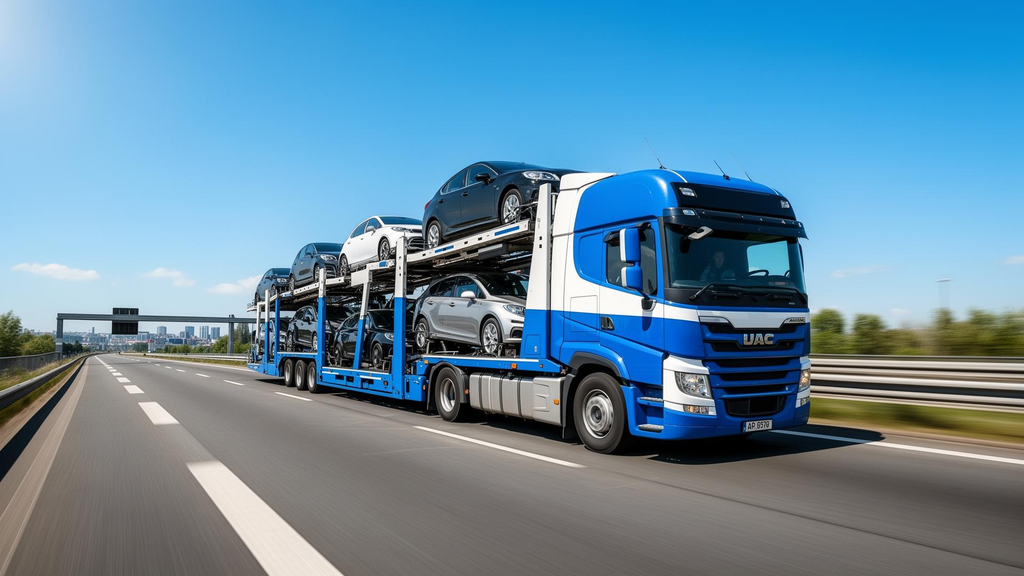
1. Advanced GPS Tracking Improves Visibility
One of the most important developments in car carrier safety is the use of GPS tracking and fleet management technology. These systems allow transportation companies to monitor vehicle locations, follow routes, and track progress throughout a delivery.
Real-time visibility provides more than convenience. Dispatchers can identify unexpected stops, recognize potential delays, and communicate with drivers when road conditions change. If severe weather, construction, or traffic congestion creates a hazard, fleet managers can help drivers evaluate safer alternatives.
Modern tracking platforms may also record driving patterns, travel times, and vehicle movements. When companies review this information, they can identify recurring risks and improve future route planning.
For customers, tracking technology provides reassurance that their vehicles are progressing toward their destinations. For transportation providers, it supports accountability, operational efficiency, and better coordination between drivers and dispatch teams.
2. Smarter Trailer Designs Protect Vehicles
Car carrier trailers have evolved to accommodate different vehicle sizes while improving stability and load security. Modern designs may incorporate stronger structural components, adjustable loading platforms, improved ramps, and more effective vehicle restraint systems.
Proper weight distribution is particularly important. When vehicles are loaded unevenly, the carrier may experience handling difficulties, especially during braking, sharp turns, or sudden maneuvers. Thoughtful loading plans help distribute weight appropriately and reduce unnecessary strain on the truck and trailer.
Improved tie-down equipment also plays a significant role. Properly rated straps, secure attachment points, and suitable wheel restraints help keep vehicles in position during transportation. Anti-slip surfaces and carefully designed loading angles can further reduce risks during loading and unloading.
These improvements help protect not only the vehicles being transported but also the driver and other road users.
3. Intelligent Sensors Detect Problems Earlier
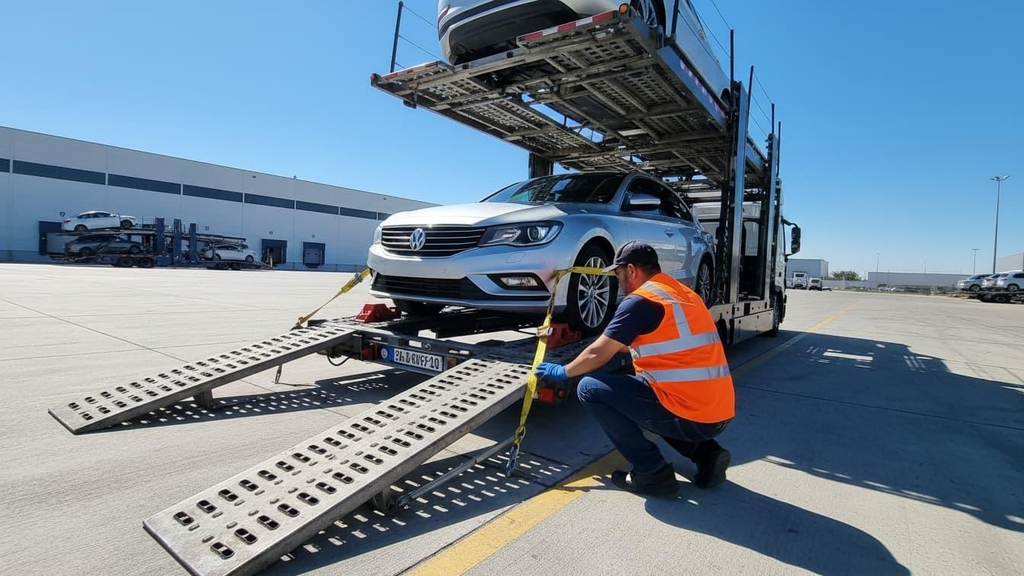
Sensor technology is helping transportation companies identify potential mechanical and loading issues before they develop into serious safety problems. Depending on the equipment installed, sensors can monitor tire pressure, tire temperature, brake performance, trailer stability, and other important operating conditions.
Tire pressure monitoring is especially valuable for heavy transport vehicles. Underinflated tires can generate excessive heat, wear prematurely, and increase the risk of failure. Early warnings give drivers an opportunity to stop safely and arrange an inspection before a minor issue becomes a roadside emergency.
Some advanced systems can also provide information about braking performance and vehicle stability. When connected to fleet management software, these systems can help maintenance teams prioritize repairs and identify patterns across multiple trucks.
However, technology works best when paired with professional judgment. Drivers must still perform required inspections, respond to warnings, and ensure that the truck and trailer are safe before continuing a journey.
4. Driver-Assistance Systems Reduce Road Risks
Car carrier drivers operate large vehicles that require careful maneuvering and greater stopping distances than ordinary passenger cars. Advanced driver-assistance systems, commonly known as ADAS, can provide useful support in demanding driving conditions.
Depending on the truck’s equipment, these technologies may include:
- Forward collision warnings: Alert drivers to potential hazards ahead.
- Automatic emergency braking: Apply braking in certain situations when a collision risk is detected.
- Blind-spot monitoring: Help drivers identify vehicles or obstacles in areas that are difficult to see.
- Lane departure warnings: Notify drivers when the truck unintentionally drifts from its lane.
- Adaptive cruise control: Maintain a selected following distance when conditions and system capabilities permit.
- Rearview cameras: Improve visibility when reversing or maneuvering in restricted spaces.
These features can be especially useful on busy highways, in congested distribution centers, and during lane changes. Nevertheless, they are not substitutes for attentive driving. Drivers must remain alert, maintain safe distances, and understand the limitations of the systems installed in their vehicles.
5. Digital Inspections Strengthen Preventive Maintenance
Routine inspections remain essential to safe car carrier operations. Digital inspection tools are making it easier for drivers and maintenance personnel to document equipment conditions, identify defects, and track repairs.
Instead of relying exclusively on paper checklists, companies can use mobile applications to record inspection results, attach photographs, and report mechanical concerns. Managers can then review these records and determine which issues require immediate attention.
Preventive maintenance programs can use this information to schedule servicing before components fail. Brake systems, tires, suspension components, lights, hydraulic equipment, ramps, and vehicle restraints all require appropriate inspection and maintenance.
Digital records also make it easier to identify repeated problems. If a particular trailer frequently experiences tire or hydraulic issues, maintenance teams can investigate the underlying cause rather than repeatedly addressing the same symptoms.
A consistent inspection process helps reduce unexpected breakdowns, protects transported vehicles, and encourages a stronger safety culture throughout the company.
6. Artificial Intelligence Supports Better Decisions
Artificial intelligence is creating new opportunities to analyze transportation data and recognize risks that might otherwise go unnoticed. When used responsibly, AI-powered tools can help fleet managers make more informed decisions about routing, maintenance, and driver safety.
For example, software can analyze historical driving information, weather forecasts, traffic patterns, and vehicle performance records to identify potentially hazardous conditions. Some systems can flag repeated hard braking, excessive speeding, or other driving behaviors that deserve attention.
Predictive maintenance is another promising application. By examining equipment performance data, analytical tools may help identify components that are more likely to require servicing. This allows companies to plan repairs more effectively and reduce the likelihood of unexpected failures.
AI can also support driver coaching by highlighting patterns and suggesting areas for improvement. However, these systems depend on reliable data and appropriate human oversight. They should support fair, practical safety decisions rather than replace experienced mechanics, trained drivers, or responsible management.
7. Better Communication Improves Emergency Response
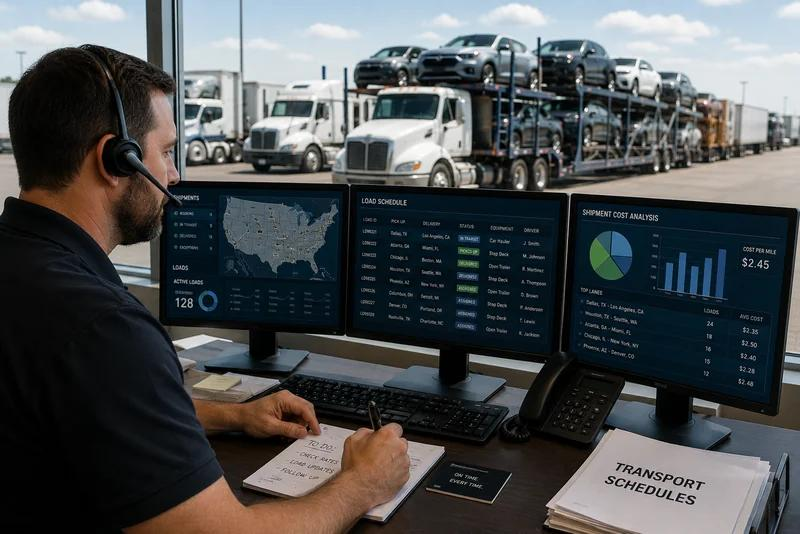
Effective communication is another important part of modern car carrier safety. Drivers need reliable ways to contact dispatchers, report problems, receive updated instructions, and request assistance when unexpected situations arise.
Mobile communication systems and fleet management platforms allow dispatch teams to share important information quickly. If a truck experiences a mechanical problem, the driver can report the issue and coordinate roadside assistance. If severe weather threatens a planned route, dispatchers can communicate potential alternatives.
Connected systems can also help companies maintain records of incidents, delays, and safety concerns. Reviewing these reports allows management teams to improve procedures and prepare for similar situations in the future.
Clear communication is particularly important during vehicle loading and unloading. Drivers, yard personnel, and equipment operators must understand their responsibilities, follow established procedures, and coordinate movements carefully. Technology can support this process, but consistent teamwork remains essential.
8. Training Keeps Drivers Prepared for New Technology
Even the most advanced safety equipment cannot deliver its full benefits without properly trained operators. Car carrier drivers must understand how to handle heavy loads, secure different vehicle types, navigate restricted spaces, and respond to changing road conditions.
Modern training programs can combine practical instruction with digital learning tools and driving simulations. Simulated scenarios allow drivers to practice responding to hazards without exposing themselves or others to real-world danger.
Training should also cover the specific technologies installed in each truck. Drivers need to understand what sensor alerts mean, when driver-assistance systems may be limited, and how to respond if a camera or monitoring system stops working.
Refresher training is equally valuable. Reviewing incidents, discussing difficult driving conditions, and reinforcing safe loading practices can help experienced drivers maintain good habits.
Companies that prioritize ongoing education are better positioned to turn technological improvements into everyday safety benefits.
9. Digital Documentation Protects Vehicles and Customers
Innovation can improve safety beyond the time a carrier spends on the road. Digital vehicle inspections, condition reports, and photographic documentation help establish the condition of vehicles before loading and after delivery.
Before transportation begins, personnel can record visible scratches, dents, glass damage, and other existing concerns. After unloading, a comparable inspection can help identify differences that require further investigation.
These records promote transparency and provide useful evidence when customers raise questions about vehicle condition. Digital documentation can also reduce misunderstandings between drivers, transport companies, dealerships, and vehicle owners.
Security technology adds another layer of protection. GPS-enabled tracking, access controls, cameras, and electronic records can help companies monitor equipment and investigate suspicious activity. Appropriate cybersecurity measures are also important because connected transportation systems depend on protecting sensitive operational information.
Together, these tools support more accountable vehicle handling from pickup to delivery.
10. The Future of Car Carrier Safety
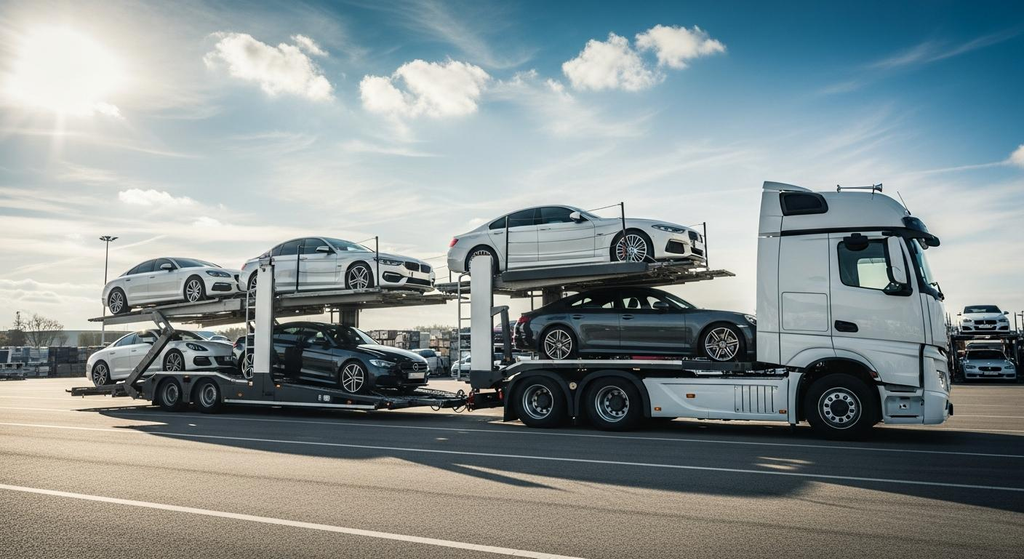
The future of car carrier safety will likely involve greater integration between vehicle technology, transportation infrastructure, and fleet management platforms. Connected vehicles may share selected information about traffic conditions and road hazards, while increasingly capable sensors could improve awareness of surrounding vehicles and obstacles.
Electric and alternative-fuel trucks may also influence carrier design and operating procedures. Different vehicle weights, charging requirements, and maintenance needs will require transportation companies to evaluate equipment carefully and update training as technology evolves.
Automation may eventually support additional driving and yard-management tasks. However, the safe adoption of these systems will depend on testing, regulations, infrastructure, and clearly defined responsibilities for human operators.
Companies do not need to wait for future breakthroughs to benefit from innovation. Investing in reliable equipment, modern inspection tools, appropriate driver-assistance features, and consistent training can already strengthen everyday operations.
The most effective approach combines proven safety practices with carefully selected new technologies. Every investment should address a real operational risk and be supported by proper implementation and maintenance.
Innovation is changing car carrier transportation by improving visibility, strengthening equipment, identifying mechanical problems earlier, and helping drivers make safer decisions. GPS tracking, intelligent sensors, advanced braking systems, digital inspections, artificial intelligence, and better communication each contribute to a more reliable transportation process.
Yet technology alone cannot guarantee safe delivery. Proper vehicle loading, routine maintenance, responsible driving, and continuous training remain fundamental to protecting people and property.
As the automotive transportation industry continues to evolve, companies that combine modern tools with strong safety procedures will be better equipped to manage risks, protect valuable vehicles, and meet customer expectations. Ultimately, the goal is not simply to move more cars efficiently. It is to ensure that every vehicle reaches its destination as safely and reliably as possible.
Generated by ChatGPT