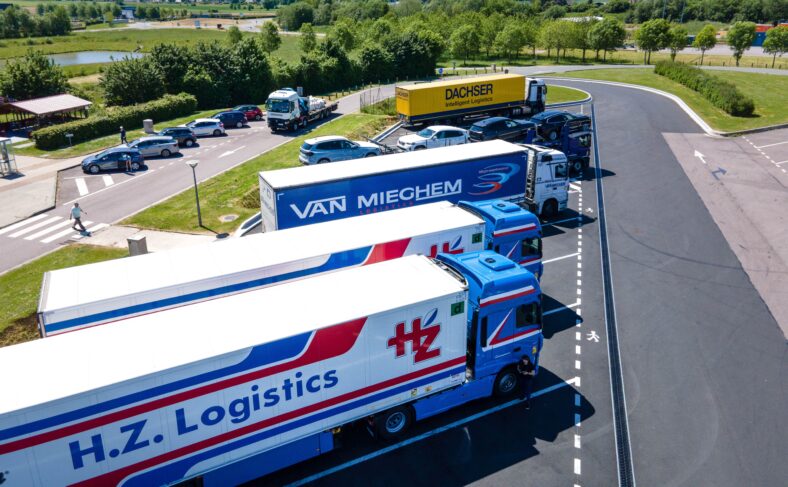
The auto transport industry has undergone a remarkable transformation over the past decade. Once heavily dependent on manual processes, phone calls, paper records, and limited shipment visibility, the sector is now embracing a new era powered by digital innovation. At the heart of this evolution is smart logistics—a technology-driven approach that uses data, automation, connectivity, and advanced analytics to improve the movement of vehicles from one location to another.
As consumer expectations continue to rise and businesses seek greater efficiency, smart logistics is becoming an essential component of modern auto transport operations. From real-time vehicle tracking to artificial intelligence-powered route planning, these innovations are helping carriers, dealerships, manufacturers, and customers enjoy faster, safer, and more transparent shipping experiences.
What Is Smart Logistics?
Smart logistics refers to the integration of advanced technologies into transportation and supply chain management. Rather than relying solely on traditional methods, logistics companies use digital tools to monitor shipments, optimize routes, predict delays, and improve communication throughout the transport process.
In the auto transport industry, smart logistics involves using software platforms, GPS tracking systems, cloud-based management tools, telematics, and artificial intelligence to streamline vehicle shipping operations. The result is a more connected ecosystem where carriers and customers can access critical information in real time.
Real-Time Tracking Changes the Customer Experience
One of the most significant advancements in smart logistics is real-time shipment tracking. In the past, customers often had limited visibility into the status of their vehicles once they were loaded onto a transport truck. They might have needed to call the carrier repeatedly for updates or wait until delivery to learn about shipment progress.
Today, GPS-enabled tracking systems allow customers and logistics teams to monitor vehicle locations throughout the transport journey. This transparency provides peace of mind and enables better planning for vehicle pickup and delivery.
For dealerships and fleet operators, real-time tracking also improves inventory management. Businesses can coordinate vehicle arrivals more effectively and reduce uncertainty associated with shipping schedules.
Artificial Intelligence Improves Route Optimization
Artificial intelligence (AI) is playing an increasingly important role in auto transport logistics. AI-powered systems analyze vast amounts of data, including traffic patterns, weather conditions, fuel costs, road restrictions, and delivery schedules.
Using this information, logistics software can identify the most efficient routes for transport carriers. Better route optimization offers several advantages:
- Reduced fuel consumption
- Lower operating costs
- Faster delivery times
- Improved driver productivity
- Reduced environmental impact
AI can also help predict potential delays before they occur. By analyzing historical and real-time data, systems can recommend alternate routes or schedule adjustments that minimize disruptions.
Automation Streamlines Operations
Automation is helping eliminate many time-consuming administrative tasks within the auto transport industry. Digital platforms now handle activities that once required extensive manual effort, including:
- Shipment scheduling
- Carrier matching
- Dispatch management
- Documentation processing
- Billing and invoicing
- Customer notifications
Automated workflows reduce human error while improving efficiency. Transport companies can manage larger shipment volumes without significantly increasing administrative overhead.
Customers also benefit from automation through instant quotes, online booking systems, and automated status updates delivered via email or text message.
The Role of Telematics in Vehicle Shipping
Telematics technology combines telecommunications and vehicle monitoring systems to provide valuable operational insights. Modern transport trucks are increasingly equipped with telematics devices that collect information about vehicle performance, location, fuel usage, driving behavior, and maintenance needs.
This data allows fleet managers to monitor carrier performance and ensure safe operation. Telematics systems can identify potential mechanical issues before they result in breakdowns, reducing costly delays and improving overall reliability.
For the auto transport industry, predictive maintenance supported by telematics helps keep carriers on the road and minimizes interruptions that could impact delivery schedules.
Digital Documentation Enhances Efficiency
Paper-based documentation has long been a challenge within transportation industries. Bills of lading, inspection reports, delivery confirmations, and compliance documents traditionally required physical paperwork that could be lost, delayed, or damaged.
Smart logistics platforms now support digital documentation processes that simplify recordkeeping and improve accuracy. Drivers can complete inspections using mobile devices, capture vehicle condition photos electronically, and upload documents directly to cloud-based systems.
Digital records are easier to access, share, and store, creating a more efficient workflow for both carriers and customers.
Improved Vehicle Safety Through Technology
Safety remains a top priority in auto transport. Smart logistics technologies are helping reduce risks throughout the shipping process.
Advanced monitoring systems allow transport companies to track driver behavior, monitor vehicle performance, and ensure compliance with safety regulations. Features such as electronic logging devices (ELDs), collision avoidance systems, lane departure warnings, and onboard cameras contribute to safer operations.
Many logistics platforms also provide detailed shipment visibility, allowing transport companies to respond quickly if unexpected issues arise during transit.
These technological improvements help protect both transport equipment and the vehicles being shipped.
Data Analytics Drives Better Decision-Making
Data has become one of the most valuable assets in modern logistics. Smart logistics systems generate enormous amounts of information that can be analyzed to improve performance and efficiency.
Auto transport companies use analytics to evaluate:
- Delivery performance
- Carrier utilization
- Fuel consumption trends
- Customer satisfaction metrics
- Seasonal demand patterns
- Route efficiency
By identifying trends and performance indicators, businesses can make more informed decisions that support long-term growth and operational excellence.
Predictive analytics can also help companies anticipate future demand, allowing them to allocate resources more effectively and prepare for market fluctuations.
Sustainability Benefits of Smart Logistics
Environmental responsibility is becoming increasingly important across the transportation industry. Smart logistics contributes to sustainability goals by helping companies reduce waste and improve efficiency.
Route optimization reduces unnecessary mileage and fuel consumption. Automated scheduling minimizes empty transport runs. Predictive maintenance helps vehicles operate more efficiently. Digital documentation reduces paper usage.
As electric vehicles become more common, smart logistics systems will play an even greater role in managing specialized transportation requirements and supporting greener supply chains.
Many companies view smart logistics as both an operational advantage and an important step toward reducing their environmental footprint.
The Future of Smart Logistics in Auto Transport
The future of auto transport will likely be shaped by even more advanced technologies. Emerging innovations such as machine learning, autonomous vehicles, blockchain systems, and Internet of Things (IoT) connectivity are expected to further transform logistics operations.
Blockchain technology may improve transparency and security by creating tamper-resistant shipment records. IoT sensors could provide enhanced monitoring of vehicle conditions during transport. Autonomous transportation technologies may eventually redefine how vehicles are moved across long distances.
As these advancements continue to develop, auto transport companies that embrace smart logistics will be better positioned to meet customer expectations and remain competitive in a rapidly evolving marketplace.
The rise of smart logistics is reshaping the auto transport industry from the ground up. Through real-time tracking, artificial intelligence, automation, telematics, digital documentation, and advanced analytics, vehicle shipping has become more efficient, transparent, and reliable than ever before.
As technology continues to evolve, smart logistics will remain a driving force behind industry innovation. Companies that invest in these solutions can improve operational performance, enhance customer satisfaction, reduce costs, and build a stronger foundation for future growth. In an increasingly connected world, smart logistics is no longer a luxury in auto transport—it is becoming the industry standard.
Generated by ChatGPT