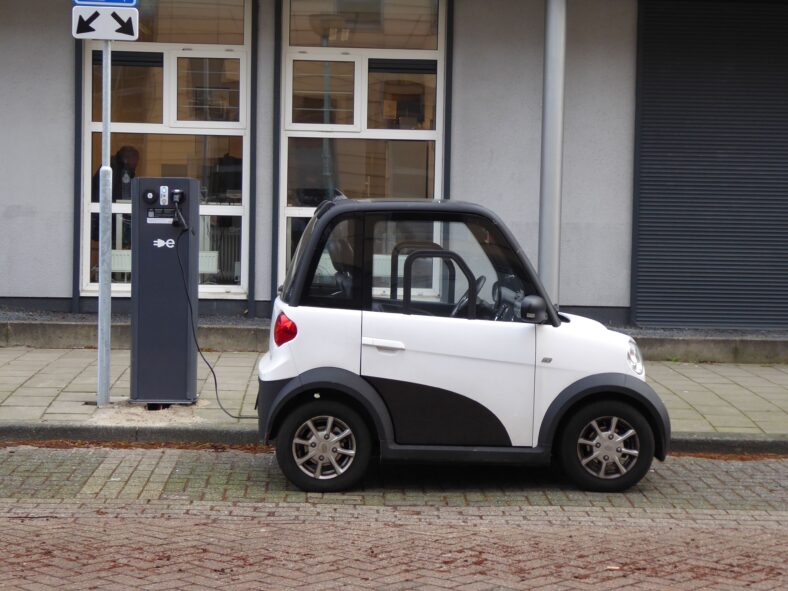
The automotive industry is undergoing one of the most significant transformations in its history. Electric vehicles (EVs), once considered a niche alternative to gasoline-powered cars, are becoming an increasingly important part of the transportation landscape. As more consumers, businesses, and government agencies adopt electric vehicles, related industries are also adapting to meet new demands. One sector experiencing noticeable change is auto transport.
Auto transport companies play a critical role in moving vehicles across cities, states, and even countries. Whether a customer is relocating, purchasing a vehicle from another region, shipping a luxury car, or transporting inventory for a dealership, professional auto transport services provide a convenient alternative to driving long distances. The growing popularity of EVs is creating new opportunities and challenges for these companies. From battery safety and charging requirements to vehicle weight and specialized handling, electric vehicles are influencing how transport providers operate.
Changing Vehicle Weight and Transport Capacity
One of the most important differences between electric and traditional vehicles is weight. EVs often weigh more than comparable gasoline-powered models because of their large battery packs. Lithium-ion batteries can add a substantial amount of weight to a vehicle, which may affect how many cars a carrier can safely transport at one time.
Auto transport companies must carefully consider vehicle weight when loading multi-car carriers. Federal and state weight limits still apply, meaning a transporter carrying several heavy electric vehicles may need to reduce the number of vehicles loaded onto a trailer. This could influence operating costs and shipping efficiency.
For example, a carrier that might normally transport a full load of gasoline-powered sedans could potentially face weight restrictions when transporting several heavier EVs or electric trucks. As electric SUVs and pickup trucks become more common, transport companies may need to adjust load planning strategies to ensure that vehicles are distributed safely and that legal weight limits are not exceeded.
This shift may eventually encourage companies to invest in equipment designed specifically for heavier vehicles. Stronger loading ramps, reinforced trailers, and improved weight-monitoring systems could become increasingly important as the EV market continues to expand.
Battery Safety and Specialized Handling
Electric vehicle batteries present another important consideration for auto transport services. While modern EVs are engineered with multiple safety systems, lithium-ion batteries can be damaged in serious accidents or under certain conditions. A damaged battery may create risks that require special handling procedures.
Auto transport professionals must understand how to identify potential battery-related concerns before loading a vehicle. If an EV has been involved in a collision, experienced flooding, or suffered visible damage to its battery system, additional precautions may be necessary.
Transport companies are increasingly focused on employee education and safety training. Drivers and loading crews may need a better understanding of electric vehicle systems, emergency procedures, and the proper response to battery-related incidents. Traditional vehicle transportation knowledge remains valuable, but the growing number of EVs adds another layer of technical awareness.
Safety procedures may also evolve as regulations and industry standards continue to develop. Companies that stay informed about new requirements and invest in training may be better prepared to serve EV owners while protecting their employees and equipment.
Charging Considerations During Transportation
Unlike gasoline-powered vehicles, electric vehicles rely on battery charge rather than a traditional fuel tank. This creates a unique consideration when preparing an EV for shipment.
Before transportation, the vehicle must generally have enough battery power to be driven onto and off the carrier. However, shipping a vehicle with an excessively high state of charge may not always be ideal. Auto transport companies and vehicle manufacturers may recommend specific battery charge ranges depending on the type of vehicle and transportation method.
Communication between the vehicle owner and the transport company is especially important. Customers should understand how much charge their EV needs before pickup and whether any special instructions apply to their specific model.
Long-distance transport can also create logistical challenges. If a vehicle is being moved using a standard open or enclosed carrier, it may not be charged during transit. In most cases, the vehicle remains secured on the trailer until it reaches its destination. This means transport companies need to plan carefully to ensure that the vehicle has sufficient power for loading and unloading.
As EV transportation becomes more common, some logistics companies may eventually explore new trailer designs or mobile charging solutions. While these technologies may not be necessary for every shipment, they could become more relevant as electric vehicles represent a larger percentage of the automotive market.
The Growth of Specialized Auto Transport Services
The rise of electric vehicles may create opportunities for specialized transport companies. Some customers may prefer a provider with specific experience handling EVs, particularly when shipping expensive luxury models, high-performance electric vehicles, or vehicles with advanced battery systems.
Enclosed auto transport may become particularly attractive for certain EV owners. Enclosed carriers provide additional protection from weather, road debris, and other outside conditions. Owners of premium electric vehicles may view specialized transportation as an added layer of protection for their investment.
Auto transport companies may also develop stronger relationships with EV manufacturers, dealerships, rental fleets, auction companies, and corporate fleets. As businesses transition toward electric transportation, the need to move large groups of vehicles between facilities may increase.
For example, a company purchasing dozens of electric delivery vehicles may require professional transportation from a manufacturer or distribution center to multiple locations. Similarly, dealerships may need dependable carriers to move EV inventory between states. These commercial opportunities could help create new areas of growth for the auto transport industry.
Technology and Improved Logistics
Electric vehicles are also influencing auto transport through technology. Many EVs are equipped with advanced connectivity features, digital systems, and remote monitoring capabilities. This can provide owners with additional information about their vehicles before and after shipping.
At the same time, auto transport companies are increasingly using technology to improve their own operations. GPS tracking, digital inspections, electronic bills of lading, automated scheduling, and real-time customer updates are becoming more common throughout the industry.
As EV shipments increase, technology may help carriers plan more efficiently. Software can assist with route planning, weight distribution, delivery schedules, and fleet management. Better logistics systems may help companies reduce unnecessary mileage and improve fuel efficiency for the transport trucks themselves.
There is also an interesting environmental connection between EVs and auto transport. Customers who purchase electric vehicles are often interested in reducing emissions. This may encourage transport companies to explore cleaner logistics practices, such as route optimization, alternative fuels, and eventually electric or low-emission transport trucks.
Preparing for the Future
The continued growth of electric vehicles is likely to have a long-term impact on auto transport services. Companies that adapt early may have an advantage as customer needs and vehicle technology evolve.
This does not mean traditional gasoline-powered vehicles will disappear overnight. For years to come, auto transport companies will likely move a diverse mix of gasoline, hybrid, plug-in hybrid, and fully electric vehicles. As a result, flexibility will be essential.
Training employees, updating equipment, improving safety procedures, and investing in technology can help transport companies prepare for this changing environment. Businesses that understand the unique characteristics of EVs may be better positioned to provide dependable service and build customer confidence.
Customers can also benefit from working with transport providers that understand the requirements of electric vehicles. Asking questions about EV experience, loading procedures, insurance coverage, and battery charge recommendations can help vehicle owners prepare for a smoother shipping experience.
Electric vehicles are changing much more than the way people drive. Their growing presence is influencing dealerships, repair shops, charging infrastructure, logistics companies, and auto transport providers. Heavier vehicle weights, battery safety considerations, charging requirements, and specialized handling procedures are all contributing to changes within the vehicle shipping industry.
At the same time, the EV revolution is creating new business opportunities. Auto transport companies that embrace training, technology, and specialized services can position themselves for continued growth as the automotive market evolves.
As more drivers choose electric vehicles, the demand for knowledgeable and adaptable transportation services is likely to increase. The future of auto transport will involve more than simply moving vehicles from one destination to another. It will require an understanding of new technology, changing safety practices, and the unique needs of the next generation of automobiles. Electric vehicles are not only reshaping the roads—they are also helping redefine how vehicles travel when they are not being driven at all.
Generated by ChatGPT