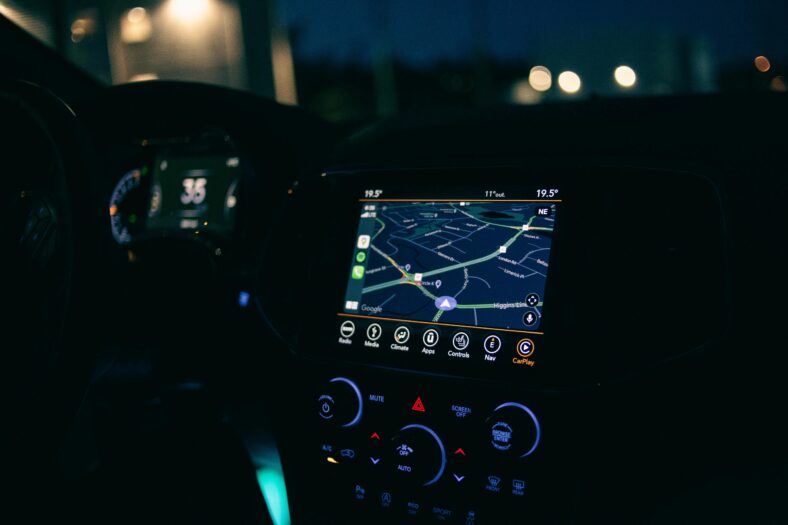
The car shipping industry has undergone significant changes in recent years, driven largely by advances in technology and growing customer expectations. What was once a process filled with uncertainty and limited communication is now becoming more transparent and efficient. One of the most important developments in modern auto transport is real-time tracking. Today, customers increasingly expect to know exactly where their vehicle is throughout the shipping process, just as they can track a package from an online retailer.
Real-time tracking is rapidly becoming a standard feature in car shipping because it improves visibility, enhances customer satisfaction, increases operational efficiency, and strengthens security. As the transportation industry continues to embrace digital transformation, tracking technology is helping reshape the way vehicles are moved across the country and around the world.
What Is Real-Time Vehicle Tracking?
Real-time tracking allows customers, carriers, brokers, and logistics managers to monitor the location of a vehicle shipment as it travels from its pickup location to its destination. This capability is typically powered by GPS technology, telematics systems, mobile applications, and cloud-based logistics platforms.
Instead of relying on periodic phone calls or email updates, customers can receive near-instant information about the status of their shipment. Many modern tracking systems provide details such as:
- Current vehicle location
- Estimated arrival times
- Route progress
- Delays due to weather or traffic
- Pickup and delivery confirmations
- Driver communication updates
This level of visibility creates a more predictable and reliable shipping experience for everyone involved.
Rising Customer Expectations
Consumer expectations have changed dramatically in the digital age. People have become accustomed to tracking nearly every aspect of their purchases, from food deliveries to online orders. Naturally, these expectations have extended to car shipping.
When someone entrusts a company with transporting a valuable asset such as a vehicle, they want reassurance that everything is proceeding as planned. Waiting several days or weeks without knowing the status of a shipment can create anxiety and frustration.
Real-time tracking addresses these concerns by providing continuous updates throughout the transportation process. Customers gain peace of mind because they can monitor their vehicle’s journey at any time rather than wondering when it will arrive.
As competition among car shipping companies increases, businesses that offer transparency through tracking technology often gain a significant advantage over those that do not.
Improved Customer Experience
One of the primary reasons real-time tracking is becoming standard is its ability to enhance the overall customer experience.
Transparency builds trust. When customers can see where their vehicle is located, they feel more confident in the transport provider’s professionalism and reliability. This visibility reduces uncertainty and helps customers plan for vehicle delivery more effectively.
For example, a customer relocating to a new city can coordinate their move more efficiently when they know exactly when their vehicle is expected to arrive. Similarly, dealerships waiting for inventory can better prepare their operations based on accurate delivery information.
The result is a smoother, more satisfying shipping experience that encourages positive reviews and repeat business.
Enhanced Security and Theft Prevention
Vehicle security remains a top priority throughout the shipping process. Real-time tracking technology provides an additional layer of protection against theft, unauthorized use, and logistical errors.
GPS-enabled tracking systems allow carriers to monitor vehicle locations continuously. If a shipment deviates from its planned route or encounters unexpected delays, alerts can be generated immediately. These notifications enable transportation companies to investigate issues quickly and take corrective action.
In rare cases involving theft or unauthorized movement, tracking data can help law enforcement recover vehicles more efficiently. The ability to pinpoint a vehicle’s location significantly improves response times and reduces potential losses.
For customers transporting luxury vehicles, classic cars, or high-value automobiles, this added security can be especially reassuring.
Better Communication Between Customers and Carriers
Communication has traditionally been one of the most challenging aspects of vehicle shipping. Customers often had to call dispatchers repeatedly for updates, while carriers spent valuable time responding to status inquiries.
Real-time tracking helps streamline communication by making shipment information readily available. Customers can access updates through online portals, mobile apps, or automated notifications without requiring direct contact with support staff.
This improved communication benefits both parties. Customers receive timely information, while transportation companies can focus more resources on operations and customer service rather than fielding routine status requests.
The reduction in communication gaps also helps minimize misunderstandings and disputes regarding delivery timelines.
Increased Operational Efficiency
Beyond customer benefits, real-time tracking offers substantial advantages for carriers and logistics providers.
Tracking systems generate valuable operational data that can be used to improve efficiency across the supply chain. Fleet managers can monitor driver routes, identify delays, optimize schedules, and improve resource allocation.
Benefits include:
- Reduced fuel consumption
- Improved route planning
- Faster delivery times
- Enhanced fleet utilization
- Lower operational costs
- Better dispatch coordination
By leveraging tracking data, companies can make informed decisions that improve productivity and profitability.
As fuel prices and operating expenses continue to rise, these efficiency gains become increasingly valuable for transportation providers.
Accurate Estimated Delivery Times
One of the biggest frustrations in vehicle shipping is uncertainty surrounding delivery schedules. Weather conditions, traffic congestion, road closures, and other factors can impact transit times.
Modern tracking systems use GPS data and predictive analytics to provide more accurate estimated delivery times. These systems continuously update arrival forecasts based on real-world conditions.
Customers appreciate receiving realistic expectations rather than broad delivery windows. More accurate scheduling allows recipients to make necessary arrangements for vehicle pickup and reduces inconvenience caused by unexpected delays.
Reliable delivery estimates also help dealerships, auctions, rental companies, and fleet operators manage inventory more effectively.
Supporting Business-to-Business Operations
Real-time tracking is particularly valuable for businesses involved in automotive logistics.
Automobile manufacturers, dealerships, fleet management companies, rental agencies, and auction houses depend on efficient vehicle transportation to maintain operations. Delays or uncertainty can create costly disruptions.
Tracking technology provides supply chain visibility that allows businesses to:
- Monitor inventory in transit
- Improve planning and forecasting
- Reduce downtime
- Enhance customer service
- Coordinate vehicle deliveries more efficiently
As automotive supply chains become increasingly complex, real-time visibility is becoming an essential business tool rather than an optional feature.
Integration with Modern Logistics Technologies
The rise of real-time tracking is closely connected to broader technological advancements in logistics and transportation.
Many modern shipping platforms now integrate tracking capabilities with:
- Artificial intelligence
- Machine learning
- Cloud computing
- Electronic documentation
- Mobile applications
- Predictive analytics
- Internet of Things (IoT) devices
These technologies work together to create more intelligent transportation networks capable of identifying potential issues before they become major problems.
As technology continues to evolve, tracking systems are expected to become even more accurate and sophisticated.
Competitive Advantage for Shipping Companies
In today’s highly competitive marketplace, customer experience often determines success. Companies that invest in real-time tracking can differentiate themselves by offering greater transparency and convenience.
Consumers increasingly view tracking as a standard service rather than a premium feature. Businesses that fail to provide shipment visibility may struggle to compete with providers offering advanced tracking capabilities.
In many cases, tracking technology helps companies improve customer retention, generate referrals, and strengthen their reputation within the industry.
As adoption continues to grow, real-time tracking is likely to become a basic expectation across the entire car shipping market.
The Future of Car Shipping
The future of vehicle transportation will be increasingly data-driven, connected, and transparent. Real-time tracking represents a major step toward creating a more efficient and customer-focused shipping experience.
As GPS technology, artificial intelligence, and predictive analytics continue to improve, customers can expect even greater visibility into the shipping process. Future systems may provide highly accurate delivery forecasts, automated issue detection, and enhanced communication tools that further streamline transportation operations.
Ultimately, real-time tracking is becoming standard in car shipping because it benefits everyone involved. Customers gain peace of mind, carriers improve efficiency, businesses strengthen supply chain visibility, and vehicles enjoy enhanced security. In an industry where trust, timing, and transparency are critical, real-time tracking has evolved from a luxury feature into an essential component of modern car shipping.
Generated by ChatGPT